






If you’re searching for information about 7-OH, there’s a good chance you’re trying to understand whether these products are as safe as they’re advertised. Maybe you’ve been taking 7-OH tablets or extract shots every day and you’re worried about stopping. Maybe someone you love has started buying them from a vape shop or gas station, and you’ve noticed their use increasing.
The truth is that many people assume products sold legally must be relatively safe. Unfortunately, concentrated 7-hydroxymitragynine products can produce opioid-like effects, and some people develop tolerance, withdrawal symptoms, and dependence far more quickly than they expected.
If that’s what you’re experiencing, you’re not alone, and help is available.
Concerned About 7-OH Use or Withdrawal?
If you’re needing larger amounts, feeling sick when you stop, or wondering whether detox may be appropriate, our admissions team is available 24 hours a day to answer questions confidentially. Calling does not obligate you to enter treatment.
What Is 7-OH and Why Are People Concerned?
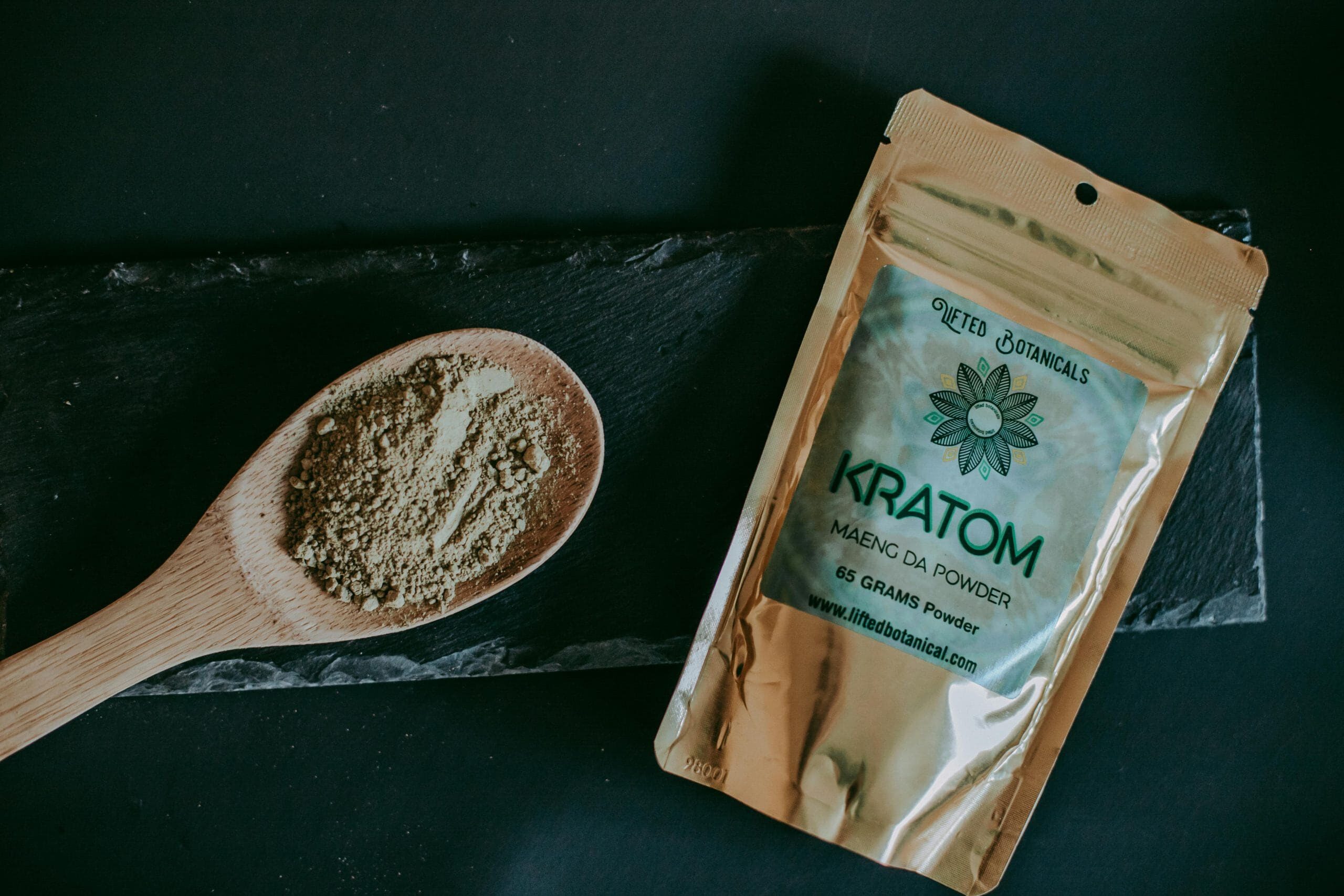
Across Tennessee, a growing number of individuals are encountering products marketed as 7-OH, 7-Hydroxy, or 7-Hydroxymitragynine. These products are commonly sold in vape shops, smoke shops, convenience stores, gas stations, and online marketplaces. Often promoted as legal alternatives to opioids or enhanced kratom products, they have gained attention among individuals seeking pain relief, stress management, energy enhancement, or alternatives to traditional substances.
Because these products are widely available, many consumers assume they are safe. However, treatment providers, toxicologists, addiction specialists, and healthcare professionals are becoming increasingly concerned about the rise of concentrated 7-OH products and their potential to contribute to dependence, withdrawal symptoms, and substance use disorders.
At Tennessee Detox Center, our team has received a growing number of inquiries from individuals and families concerned about 7-OH products, kratom extracts, and other emerging substances. Many people report beginning use without fully understanding how these products interact with the brain or the challenges that can arise when attempting to stop.
As awareness grows, understanding what 7-OH is, how it affects the body, and when professional detox may be appropriate has become increasingly important.
What Is 7-OH?
7-Hydroxymitragynine, commonly referred to as 7-OH, is a naturally occurring alkaloid found within the kratom plant (Mitragyna speciosa). While traditional kratom contains only trace amounts of this compound, many newer products are specifically formulated to deliver concentrated doses far beyond what would naturally occur in kratom leaves.
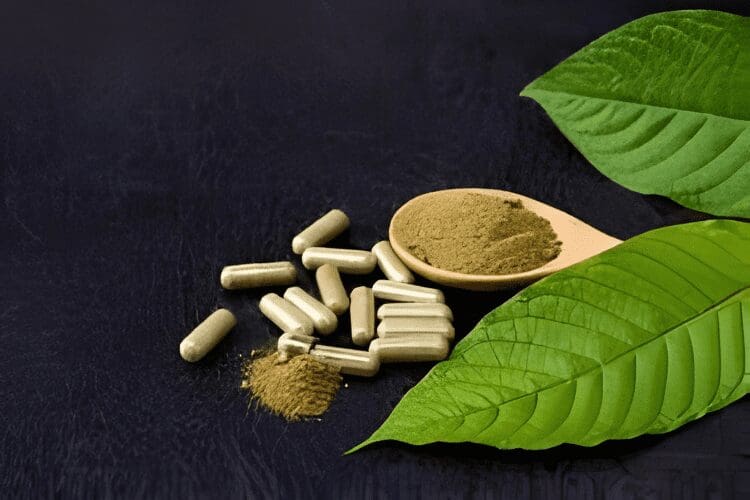
These products may be sold as tablets, capsules, extract shots, gummies, or enhanced kratom formulations. Marketing often emphasizes terms such as “natural,” “legal,” “plant-based,” or “alternative,” which may lead consumers to underestimate potential risks.
As concentrated products have become increasingly common, healthcare providers have raised concerns regarding their potency, dependence potential, and the lack of long-term research surrounding their safety and health effects.
Why Is 7-OH Becoming So Popular?
Several factors have contributed to the rapid growth of 7-OH products throughout Tennessee and across the United States.
One reason is accessibility. Unlike prescription medications, these products are often available through retail locations that many people visit regularly. Consumers can frequently purchase them without a prescription and with little information regarding their potency or potential risks.
Social media has also played a role in increasing awareness of 7-OH products. Online discussions, product reviews, and anecdotal testimonials may create the impression that these products are harmless or safer than other substances. While personal experiences may vary, such discussions rarely provide complete information regarding addiction risk, withdrawal symptoms, or long-term consequences.
Many individuals report trying 7-OH products for pain management, stress relief, anxiety reduction, sleep improvement, or as an alternative to opioids. Unfortunately, what begins as occasional use may gradually develop into more frequent consumption as tolerance increases.
Why Healthcare Professionals Are Paying Attention
One of the biggest reasons people begin researching 7-OH is that the effects often change over time. Someone who initially used a tablet occasionally for energy or pain relief may eventually find themselves taking it every day. Others notice they’re buying stronger products, taking larger amounts, or feeling anxious when they don’t have any available. Those changes don’t happen to everyone, but they’re becoming increasingly common among people seeking treatment.
Research suggests that 7-hydroxymitragynine may produce opioid-like effects, particularly when consumed in highly concentrated forms. As product potency has increased, treatment providers have reported growing concerns regarding tolerance, escalating use patterns, cravings, withdrawal symptoms, and the development of substance use disorders.
Another challenge is the lack of consistent product regulation. Different manufacturers may produce products with varying strengths, ingredients, and manufacturing standards. This inconsistency can make it difficult for consumers to know exactly what they are taking or how potent a particular product may be.
For individuals with a history of addiction, mental health disorders, chronic pain, or previous opioid use, these uncertainties can create additional risks.
The Hidden Risk of High-Potency Products
One of the most significant concerns surrounding 7-OH is the increasing availability of high-potency formulations.
Traditional kratom naturally contains relatively small amounts of 7-hydroxymitragynine. Many newer products, however, are engineered to contain concentrated amounts that may produce substantially stronger effects than naturally occurring kratom.
As a result, two products that appear similar on a store shelf may have dramatically different potency levels. Consumers may unknowingly switch from a lower-potency product to a more concentrated formulation and experience stronger effects, increased tolerance, or more significant withdrawal symptoms when attempting to stop.
This variability is one of the reasons addiction specialists and healthcare providers continue to emphasize caution regarding concentrated 7-OH products.
7-OH vs. Kratom vs. Opioids
Many individuals researching 7-OH are attempting to understand how it compares to traditional kratom and prescription opioids.
Traditional kratom contains dozens of naturally occurring alkaloids that interact with the body in complex ways. Concentrated 7-OH products, by contrast, are designed to emphasize or isolate a single alkaloid that may produce stronger opioid-like effects. Prescription opioids are regulated medications prescribed for specific medical purposes under professional supervision.
Although these substances differ in important ways, they share certain characteristics that have prompted healthcare professionals to pay closer attention to concentrated 7-OH products, particularly regarding dependence, withdrawal, and addiction potential.
The concern is not that 7-OH and prescription opioids are identical. Rather, the concern is that some individuals may underestimate the potential risks associated with concentrated products because they are marketed differently or sold in retail environments.
Can 7-OH Cause Dependence or Addiction?
One of the most common questions individuals ask is whether 7-OH can lead to addiction.
Not everyone who uses 7-OH will develop a substance use disorder. However, some individuals report developing tolerance, meaning they require increasing amounts to achieve the same effects. Others experience cravings, escalating use patterns, and difficulty reducing or stopping use despite negative consequences.
Factors that may increase addiction risk include a personal or family history of substance use disorders, mental health conditions, chronic pain, trauma, and prolonged use of highly concentrated products.
As dependence develops, individuals may find themselves using the substance not only to achieve desired effects but also to avoid withdrawal symptoms. This cycle can make quitting increasingly difficult without professional support.
What Our Clinical Team Is Seeing in Tennessee
One pattern we hear repeatedly is that people never expected 7-OH to become a problem. Many started taking it because it was sold openly in vape shops or convenience stores and assumed that meant it carried relatively little risk.
Others tell us they were trying to avoid prescription opioids or traditional kratom and believed concentrated 7-OH products were a safer alternative. Over time, however, they found themselves buying stronger products, increasing their dose, or feeling uncomfortable whenever they tried to stop.
Family members often notice the changes first. They may see increased secrecy, mood changes, financial stress, or someone organizing their day around when they can take the next dose.
While every person’s experience is different, these are some of the most common stories we hear from individuals seeking help.
What Does 7-OH Withdrawal Feel Like?
One of the reasons individuals seek professional help for 7-OH use is the difficulty they experience when attempting to stop. While withdrawal experiences vary from person to person, many individuals report symptoms that can interfere with daily functioning and make it challenging to remain substance-free without support.
The severity of withdrawal often depends on several factors, including how long a person has been using 7-OH, the potency of the products consumed, the frequency of use, overall physical health, and whether other substances are involved.
Many people tell us they never planned to use 7-OH long term. The first time they tried to stop, they expected a day or two of mild discomfort. Instead, they found themselves unable to sleep, increasingly anxious, restless, nauseated, and thinking about the next dose constantly. By the second or third day, many returned to using simply to make the symptoms stop.
That does not mean someone has failed. It may mean the body has become physically dependent and needs additional support during the withdrawal process.
Some individuals describe feeling emotionally overwhelmed during withdrawal, while others report primarily physical symptoms. Because withdrawal experiences can be unpredictable, professional evaluation is often recommended before attempting to stop concentrated 7-OH products.
Having Trouble Stopping 7-OH?
If withdrawal symptoms keep leading you back to 7-OH, a confidential assessment can help you understand whether medical detox may be appropriate. Family members are also welcome to call.
Why Early Intervention Matters
One of the biggest challenges associated with emerging substances is that many individuals delay seeking help because they do not initially believe a problem exists.
A person may begin using 7-OH occasionally and experience few immediate consequences. Over time, however, increasing tolerance may require larger amounts to achieve the same effects. Cravings may become stronger, withdrawal symptoms may develop, and use may begin affecting relationships, work performance, finances, or mental health.
Early intervention can help prevent these patterns from becoming more severe. Individuals who seek support when they first notice tolerance, cravings, or withdrawal symptoms often have more treatment options available and may experience fewer long-term consequences.
At Tennessee Detox Center, we encourage individuals to seek professional guidance whenever they have concerns about their substance use, even if they are unsure whether treatment is necessary.
When Should You Seek Professional Help?
You do not need to wait for a medical emergency, job loss, relationship crisis, or other major consequence before asking for help. A professional assessment may be useful when you experience withdrawal after trying to stop, need increasing amounts to feel the same effects, think about 7-OH throughout the day, or continue using despite problems at home, work, school, or with your mental health.
It is also important to seek guidance if you are combining 7-OH with alcohol, opioids, benzodiazepines, or other substances. An assessment does not automatically mean inpatient treatment will be recommended. It helps determine what level of care, if any, fits your current needs.
What Happens When You Call Tennessee Detox Center?
Many people hesitate to call because they are not sure what will happen once someone answers. The first conversation is simply an opportunity to ask questions, explain what you are experiencing, and learn about your options.
When you contact Tennessee Detox Center, you will speak confidentially with an admissions specialist who can ask about your current 7-OH use, withdrawal symptoms, other substances, medical history, and previous treatment. The admissions team can also discuss insurance benefits, explain what medical detox involves, and help determine whether an evaluation may be appropriate.
If you are calling for someone you love, that is okay too. Families often contact us before the person using 7-OH is ready to make the call themselves.
Calling does not obligate you to enter treatment. The goal is to give you clearer information so you can make a more informed decision.
Levels of Care for 7-OH Dependence
Many individuals assume that because 7-OH products are sold legally, discontinuing use will be simple. Unfortunately, dependence can develop regardless of whether a substance is sold in a convenience store, vape shop, or pharmacy.
For some individuals, withdrawal symptoms become uncomfortable enough that they quickly return to using the substance simply to relieve discomfort. This cycle can make quitting extremely difficult without support.
Medical detox provides a structured environment where withdrawal symptoms can be monitored and managed by healthcare professionals. The goal is not only to improve comfort but also to reduce immediate relapse risk and establish a foundation for continued recovery.
At Tennessee Detox Center, each individual receives a comprehensive assessment to determine whether medical detoxification is appropriate and what level of support may be needed throughout the withdrawal process.
Tennessee Detox Center’s Approach to Emerging Substance Use
Emerging substances present unique challenges because scientific research often lags behind product availability. For this reason, Tennessee Detox Center focuses on treating the individual rather than focusing solely on a specific substance.
Our clinical team evaluates each person’s physical health, mental health history, substance use patterns, withdrawal symptoms, and recovery goals. This comprehensive approach allows us to develop individualized recommendations that address both immediate stabilization and long-term recovery needs.
Whether someone is struggling with concentrated 7-OH products, kratom extracts, tianeptine, opioids, alcohol, or multiple substances simultaneously, treatment begins with understanding the full picture of their situation.
No two recovery journeys are identical, and treatment recommendations should reflect the unique needs of each person.
Levels of Care for 7-OH Dependence
Recovery from 7-OH dependence is not the same for everyone. Some people need medical detox because withdrawal symptoms have become too difficult to manage safely at home. Others may be medically stable enough to transition directly into residential or outpatient treatment after an evaluation.
During your assessment, our clinical team looks at much more than the substance itself. We consider your overall health, mental health, previous substance use, support system, and recovery goals before recommending the level of care most likely to help you succeed.
Medical Detox
For individuals experiencing significant withdrawal symptoms, medical detox can provide supervision, monitoring, and support during the stabilization process.
Dual Diagnosis Treatment
Many individuals struggling with substance use also experience mental health concerns such as anxiety, depression, PTSD, or trauma-related conditions. Treating both conditions simultaneously may help address factors contributing to continued use.
Residential Treatment
Some individuals benefit from a structured residential environment where they can step away from triggers and focus on recovery with consistent therapeutic support.
Outpatient Treatment
Others may transition into outpatient services that provide continued treatment while allowing them to maintain appropriate work, school, or family responsibilities.
Individual and Group Therapy
Therapeutic services can help individuals understand substance use patterns, develop healthier coping skills, improve emotional regulation, and strengthen relapse-prevention strategies.
Recovery Planning
Long-term recovery often involves developing a personalized plan that addresses triggers, support systems, lifestyle changes, and ongoing treatment needs.
Mental Health and Long-Term Recovery
Many individuals who develop problematic substance use patterns are not simply seeking intoxication. In many cases, they are attempting to manage underlying emotional or psychological challenges.
At Tennessee Detox Center, it is common to meet individuals who began using substances such as 7-OH in an effort to cope with anxiety, depression, trauma, chronic stress, sleep difficulties, or chronic pain. While these products may provide temporary relief, they rarely address the root cause of the problem.
Over time, the relationship between substance use and mental health often becomes increasingly complex. Anxiety may contribute to substance use, while dependence and withdrawal may worsen anxiety. Similar patterns can occur with depression, trauma-related symptoms, and chronic stress.
This is why comprehensive treatment frequently includes both addiction treatment and mental health support. Addressing the underlying factors contributing to substance use can support a more complete recovery plan.
Recovery After Detox
Detoxification is often the first step in the recovery process, but it is rarely the final step.
While detox helps individuals manage withdrawal symptoms and achieve physical stabilization, lasting recovery typically requires ongoing support. Substance use disorders involve far more than physical dependence. Emotional health, coping skills, stress management, relationships, and environmental factors all play a role in long-term recovery.
Following detox, many individuals benefit from continued treatment that addresses the underlying causes of substance use while helping them build a foundation for lasting wellness.
Depending on individual needs, treatment recommendations may include residential treatment, outpatient treatment, individual therapy, group counseling, dual diagnosis care, trauma therapy, anxiety treatment, or ongoing recovery support services.
Recovery is not a one-size-fits-all process. The most appropriate plan should reflect each person’s goals, challenges, strengths, and support system.
Supporting a Loved One Struggling With 7-OH
Families often feel overwhelmed when they discover a loved one may be struggling with an emerging substance. Because products such as 7-OH are relatively new to many communities, family members may not know where to find reliable information or what steps to take.
In most situations, open and nonjudgmental communication is the best place to start. Rather than focusing on blame, shame, or punishment, families can encourage honest conversations about substance use, physical symptoms, emotional well-being, and treatment options.
Warning signs may include increasing secrecy, mood changes, financial difficulties, withdrawal symptoms, escalating use patterns, or significant changes in behavior and daily functioning.
Families should remember that dependence and addiction are health conditions rather than personal failures. Early intervention may help prevent more serious consequences from developing.
Why Emerging Substances Are Difficult to Regulate
One challenge facing healthcare professionals, lawmakers, and public health officials is the rapid evolution of emerging substances.
Manufacturers frequently introduce new formulations, modify ingredients, change product concentrations, or market substances under different names. In many cases, these changes occur faster than regulations and scientific research can adapt.
This can make it difficult for healthcare providers to understand emerging risks, for consumers to make informed decisions, and for families to find reliable guidance. Products may become widely available before long-term safety research is completed.
For consumers, this means legality should not automatically be interpreted as proof of safety.
Looking Ahead: The Future of Emerging Substances
The landscape of emerging substances will likely continue evolving over the coming years.
New compounds are regularly introduced to the marketplace, often accompanied by marketing claims emphasizing natural ingredients, legal status, convenience, or reduced risk. While some products may ultimately prove relatively low risk, others may create significant health concerns that are not immediately apparent.
Healthcare providers throughout Tennessee continue monitoring trends involving concentrated kratom products, tianeptine, synthetic cannabinoids, novel opioids, and other emerging substances. Education, prevention, and early intervention will remain essential components of public health efforts.
Individuals who stay informed and seek professional guidance when concerns arise are often better equipped to make decisions that protect their health and well-being.
Frequently Asked Questions
Is 7-OH the Same as Kratom?
No. 7-hydroxymitragynine is one alkaloid naturally found within the kratom plant. Traditional kratom contains dozens of alkaloids, while many modern products contain concentrated amounts of 7-OH that may far exceed naturally occurring levels.
Is 7-OH Addictive?
Some individuals develop tolerance, dependence, cravings, and withdrawal symptoms when using concentrated 7-OH products regularly. Addiction risk varies based on personal health history, frequency of use, dosage, and other factors.
Can 7-OH Cause Withdrawal?
Yes. Some individuals report withdrawal symptoms including anxiety, insomnia, irritability, muscle aches, nausea, digestive issues, sweating, and cravings.
How Long Does 7-OH Withdrawal Last?
Withdrawal experiences vary significantly from person to person. Factors such as dosage, duration of use, product potency, other substances, and overall health can influence both symptom severity and duration.
Is 7-OH Legal in Tennessee?
Tennessee laws regarding kratom-derived products and concentrated alkaloids continue to evolve. Individuals should review current state regulations and stay informed about legislative changes.
Is 7-OH Stronger Than Traditional Kratom?
Many concentrated products contain significantly higher levels of 7-hydroxymitragynine than naturally occurring kratom leaves, which may increase potency and associated risks.
Is 7-OH FDA Approved?
No. Concentrated 7-OH products are not approved by the U.S. Food and Drug Administration for the diagnosis, treatment, cure, or prevention of any disease.
Can 7-OH Show Up on a Drug Test?
Standard drug tests may not specifically screen for 7-hydroxymitragynine. Detection depends on the type of test being performed and the laboratory conducting the analysis.
Does Insurance Cover Treatment for 7-OH Dependence?
Many insurance plans may provide coverage for medical detox, substance use treatment, mental health treatment, dual diagnosis care, residential treatment, or outpatient services. Coverage depends on the plan, medical necessity, network requirements, and authorization rules. Our admissions team can help verify available benefits before you make a treatment decision.
When Should I Seek Professional Help?
Consider seeking professional support if you experience cravings, withdrawal symptoms, difficulty controlling use, worsening mental health symptoms, relationship problems, or repeated unsuccessful attempts to stop on your own.
Get Help for 7-OH Withdrawal and Dependence in Tennessee
As awareness of 7-OH continues to grow throughout Tennessee, more individuals and families are seeking answers about these products and their potential risks. While concentrated 7-hydroxymitragynine products are often marketed as natural or legal alternatives, they may still contribute to dependence, withdrawal symptoms, and substance use disorders in some individuals.
If you or someone you care about is experiencing cravings, escalating use, withdrawal symptoms, or concerns about dependence, professional help is available.
Tennessee Detox Center provides medically supervised detoxification, withdrawal management, dual diagnosis treatment, and recovery support for individuals throughout Tennessee, including Nashville, Murfreesboro, Franklin, Brentwood, Hendersonville, Smyrna, La Vergne, Lebanon, Clarksville, Columbia, and surrounding communities.
Our team understands the challenges associated with emerging substances and is committed to providing compassionate care tailored to each individual’s needs.
Talk With Someone About Your Options
You do not have to be certain that you need treatment before reaching out. A confidential conversation can help you understand what you are experiencing, whether medical detox may be appropriate, and what options are available.
Call (629) 468-3624 Verify Insurance and Learn More
If you believe someone is experiencing a medical emergency, call 911 immediately.
Final Thoughts
The rise of concentrated 7-OH products represents a new challenge within Tennessee’s evolving substance use landscape. While these products are often marketed as natural or legal alternatives, they may still carry significant risks related to dependence, withdrawal, and addiction.
Understanding these risks, recognizing warning signs early, and seeking professional support when needed can make a meaningful difference.
If you’ve searched “Is 7-OH addictive?” or “Why can’t I stop taking 7-OH?” you’ve already taken an important first step. Many of the people who contact Tennessee Detox Center started exactly where you are now: looking for answers online because they were not sure whether their situation was serious enough to ask for help.
You do not have to make that decision alone. You only have to be willing to ask questions. Our admissions team is here to help you understand your options, one conversation at a time.

Call or message us

Free assessment

Insurance check

Choose a start date

Dr. Vahid Osman is a Board-Certified Psychiatrist and Addictionologist who has extensive experience in skillfully treating patients with mental illness, chemical dependency and developmental disorders. Dr. Osman has trained in Psychiatry in France and in Austin, Texas.

Joshua Sprung serves as a Clinical Reviewer at Tennessee Detox Center, bringing a wealth of expertise to ensure exceptional patient care.
- Alcoholics Anonymous. (n.d.). Welcome to AA. Retrieved July 29, 2025, from1 rel=”external noopener noreferrer”2 https://www.aa.org/
- American Psychological Association. (n.d.). Trauma and PTSD resources. Retrieved July 29, 2025, from https://www.apa.org/topics/ptsd
- Associated Press. (n.d.). AP News. Retrieved July 29, 2025, from1 rel=”external noopener noreferrer”2 https://apnews.com/
- Crisis Text Line. (n.d.). Get help now. Retrieved July 29, 2025, from https://www.crisistextline.org/
- Harvard Kennedy School – Belfer Center. (n.d.). Programs on international security and diplomacy. Retrieved July 29, 2025, from https://www.belfercenter.org/
- Harvard Program in Refugee Trauma. (n.d.). Training and research for conflict-affected populations. Retrieved July 29, 2025, from https://hprt-cambridge.org/
- International OCD Foundation. (n.d.). Obsessive Compulsive Disorder support and resources. Retrieved July 29, 2025, from 1 rel=”external noopener noreferrer”2https://iocdf.org/
- International Society for Traumatic Stress Studies. (n.d.). About ISTSS. Retrieved July 29, 2025, from https://www.istss.org/






Get Family Support Now
Supporting Families Through Recovery
We understand addiction affects the whole family. Our comprehensive family program helps rebuild trust and restore relationships.
Weekly Family Therapy Sessions
Educational Workshops
Support Groups
Communication Skills Training
Get Family Support Now



Did you know that your insurance plan may cover medical detox?
What Our Patients Say: Stories of Hope and Recovery
Hear directly from those who have walked the path to recovery. Our patients’ stories highlight the compassionate care, effective programs, and life-changing support they’ve experienced. Let their journeys inspire you as you take your first steps toward healing.


