





Monkey Dust
Most commonly associated with MDPV and, in more recent reports, MDPHP. The term does not guarantee that either substance is actually present.
 509 Lake Forest Dr La Vergne, Tennessee 37086
“Monkey Dust” is a street term associated with synthetic cathinones such as MDPV and MDPHP. These stimulant drugs can be associated with repeated dosing, prolonged wakefulness, severe anxiety, paranoia and difficult post-use crashes.
U.S. drug-monitoring researchers renewed attention to MDPV and Monkey Dust in 2026 after new early-warning signals raised questions about whether these substances could be resurfacing.
Current evidence does not establish a widespread Monkey Dust outbreak in Tennessee.
For people in Nashville, La Vergne, Smyrna, Murfreesboro and other Tennessee communities, however, the emerging trend raises an important treatment question:
What happens when someone has been repeatedly using an unknown synthetic stimulant and tries to stop?
Updated October 6, 2026
Important distinction: Monkey Dust is a street name, not a standardized drug formulation. Products sold under this name may contain MDPV, MDPHP, another synthetic cathinone or an entirely different combination of substances.
Monkey Dust is not one standardized chemical product.
The term has historically been associated most closely with MDPV, or methylenedioxypyrovalerone. More recent research has also connected the name with MDPHP and related pyrovalerone-type synthetic cathinones.
Synthetic cathinones are laboratory-made stimulants chemically related to cathinone, a naturally occurring stimulant found in the khat plant.
They belong to the larger group of drugs popularly known as bath salts.
Other synthetic cathinones include alpha-PVP, alpha-PHP, alpha-PiHP, mephedrone and methylone.
Street names do not reliably identify chemical composition.
A powder or crystal sold as Monkey Dust may contain a different synthetic cathinone or additional substances. Laboratory testing is required to reliably determine what is actually present.
MDPV is not a newly discovered substance.
It became a significant public-health concern during the earlier U.S. wave of synthetic cathinones commonly called bath salts.
What changed in 2026 was renewed surveillance.
The National Drug Early Warning System began monitoring MDPV and Monkey Dust more closely after an alert through its early-warning network and renewed discussion involving repeated dosing, prolonged stimulant use, paranoia, psychosis and difficulty stopping.
Online discussion alone does not establish how common a substance is, and it should not be treated as medical evidence.
Instead, these signals can help researchers identify emerging terminology and behavioral patterns that warrant closer toxicology and public-health surveillance.
Read the National Drug Early Warning System report on MDPV and Monkey Dust.
Current evidence does not establish widespread Monkey Dust use in Tennessee.
That distinction is important because emerging-drug coverage can easily move faster than toxicology data.
Tennessee does, however, already have forensic procedures for identifying the broader class of drugs involved.
The Tennessee Bureau of Investigation maintains forensic chemistry procedures for synthetic cathinones, commonly called bath salts, and related analogues.
For Tennessee families and treatment providers, Monkey Dust is therefore best understood as an emerging synthetic-stimulant trend worth monitoring rather than a confirmed statewide epidemic.
View Tennessee Bureau of Investigation forensic drug procedures.
The terminology surrounding synthetic stimulants can become confusing quickly.
Most commonly associated with MDPV and, in more recent reports, MDPHP. The term does not guarantee that either substance is actually present.
A broad street and media term used for numerous synthetic cathinones rather than one specific drug.
Most commonly associated with alpha-PVP, another synthetic cathinone. Flakka and Monkey Dust should not be treated as interchangeable chemical names.
Specific synthetic cathinones associated with Monkey Dust terminology. Knowing the street name alone cannot confirm which compound someone has taken.
Potent synthetic cathinones affect brain systems involved in reward, motivation and alertness.
For some people, the result is not simply increased energy.
It can become an intense urge to take another dose.
Then another.
What begins as brief stimulant use can turn into hours of repeated dosing.
As the binge continues, sleep disappears, appetite may decline and the body becomes increasingly depleted.
Anxiety can rise. Paranoia may intensify. Judgment can deteriorate.
Eventually, the person may be physically exhausted while still feeling psychologically compelled to continue using.
Repeated dosing can create a cycle in which someone stays awake and stimulated for an extended period, crashes when use stops, experiences exhaustion or depression and then returns to the stimulant to escape the crash.
Stopping a synthetic stimulant does not usually produce the same withdrawal pattern associated with alcohol, benzodiazepines or opioids.
Instead, the early period after heavy use may be dominated by a significant stimulant crash.
Symptoms can vary depending on the actual drug, dose, frequency of use, length of the binge, sleep deprivation, other substances and individual health.
Someone who remained awake during a stimulant binge may become profoundly tired and sleep for unusually long periods after use stops.
The person may feel emotionally flat, unmotivated or unable to enjoy activities that normally feel rewarding.
Anxiety, restlessness, irritability and emotional instability can continue after the immediate stimulant effects begin to fade.
Thinking may feel slowed or unfocused during the crash and early recovery period.
Initial excessive sleep may be followed by irregular sleep patterns as the body begins recovering from prolonged stimulant exposure.
The emotional and physical discomfort of the crash may create a strong urge to use the stimulant again.
The stimulant crash is only one potential concern.
Severe synthetic-cathinone toxicity can involve seizures, extreme agitation, dangerously elevated body temperature, chest pain, abnormal heart rhythms, dehydration, muscle breakdown and acute psychosis.
Someone may also remain paranoid, confused or emotionally unstable after prolonged stimulant use.
Call 911 for a medical emergency.
Seizures, severe chest pain, extreme overheating, loss of consciousness, dangerous agitation, severe hallucinations or an inability to remain safe require immediate medical evaluation.
Severe depression and suicidal thinking also require immediate attention. Call or text 988 for the Suicide & Crisis Lifeline.
Someone using a synthetic stimulant may also be taking alcohol, benzodiazepines, cocaine, methamphetamine, opioids or prescription medications.
That can dramatically change the medical picture.
For example, significant alcohol or benzodiazepine dependence can create withdrawal risks that would not be expected from stimulant withdrawal alone.
An unknown street product may also contain something the person did not intend to take.
There is not enough evidence to say fentanyl is routinely present in Monkey Dust products. However, illicit product names cannot guarantee chemical composition.
If someone is unconscious or breathing abnormally and opioid exposure is possible, administer naloxone and call 911.
Naloxone does not reverse stimulant toxicity, but it can reverse opioid effects if an opioid is also present.
Not everyone stopping a synthetic stimulant needs inpatient medical detox.
The appropriate level of care depends on the person’s medical stability, mental health, pattern of use and whether other substances are involved.
May be necessary when someone has severe psychosis, seizures, cardiovascular symptoms, suicidal thinking, extreme agitation or another acute medical concern.
Professional withdrawal management may be particularly important when alcohol, benzodiazepines, opioids or other substances are being used alongside stimulants.
A structured treatment environment may be appropriate when compulsive use, relapse risk or mental-health symptoms make returning immediately to the same environment difficult.
After stabilization, treatment can address stimulant cravings, triggers, sleep, mental health, relationships and relapse prevention.
Treatment begins with an individualized assessment rather than assumptions based on a street name.
The clinical team considers what substance the person believes they used, how much was taken, frequency of use, when the last dose occurred and whether alcohol, opioids, benzodiazepines or other drugs were involved.
Medical history and mental-health symptoms are also important.
During stabilization, staff can monitor physical symptoms, sleep, hydration, nutrition, mood, anxiety, cravings and psychiatric symptoms while determining what continued level of care may be appropriate.
The goal is not simply to get through a stimulant crash.
It is to stabilize the person and create a realistic plan for continued recovery.
Stopping the immediate drug use is an important step, but stimulant addiction involves more than the physical effects of stopping.
Treatment may need to address compulsive redosing, cravings, disrupted sleep, anxiety, depression, trauma, psychosis, relationships and other substance use.
There is currently no medication approved specifically for Monkey Dust addiction.
Behavioral treatment, psychiatric care and relapse-prevention planning can therefore become important parts of continued recovery.
After stabilization, someone may transition into residential treatment, outpatient care, therapy, dual-diagnosis treatment or another clinically appropriate level of support.
Tennessee Detox Center is located in La Vergne, Tennessee, near Nashville, Smyrna and Murfreesboro and accessible to adults throughout Middle Tennessee.
Someone does not need to know the exact chemistry of an illicit product before asking for help.
If you know the product name, have the original packaging or can describe what was taken, share that information with the treatment team.
The more complete the substance-use history, the better clinicians can evaluate potential withdrawal and stabilization needs.
If Monkey Dust, bath salts, methamphetamine, cocaine or another stimulant has become difficult to control, you do not need to wait for the situation to become more severe before asking for help.
Tennessee Detox Center can help assess the substances involved, current symptoms and whether medical stabilization, detox or continued addiction treatment may be appropriate.
Call Tennessee Detox Center at 615-488-5311 for confidential admissions support.
Monkey Dust is a street term most commonly associated with synthetic cathinones such as MDPV and MDPHP.
Current evidence does not establish widespread Monkey Dust use in Tennessee. Tennessee forensic laboratories do have procedures for identifying synthetic cathinones and related analogues.
Monkey Dust generally refers to particular synthetic cathinones within the broader group popularly called bath salts.
No. Flakka has most commonly referred to alpha-PVP, while Monkey Dust has historically been associated with MDPV and more recently MDPHP.
Possible symptoms include extreme fatigue, sleep changes, depressed mood, anxiety, irritability, poor concentration, reduced motivation and stimulant cravings.
There is no established universal timeline. The course can depend on the actual substance, amount used, duration of use, sleep deprivation, other substances and individual health.
Yes. Potent synthetic cathinones can be associated with severe paranoia, hallucinations and stimulant-induced psychosis.
Seizures can occur during severe synthetic-stimulant toxicity and require emergency medical treatment.
No. The appropriate level of care depends on medical stability, psychiatric symptoms, polysubstance use, withdrawal risks and overall treatment needs.
Tennessee Detox Center in La Vergne provides addiction treatment and withdrawal-management services for adults near Nashville and throughout Middle Tennessee. An assessment can help determine the appropriate level of care.
Board-Certified Psychiatrist and Addictionologist
Licensed Clinical Social Worker

Dr. Vahid Osman is a Board-Certified Psychiatrist and Addictionologist who has extensive experience in skillfully treating patients with mental illness, chemical dependency and developmental disorders. Dr. Osman has trained in Psychiatry in France and in Austin, Texas. Read more.
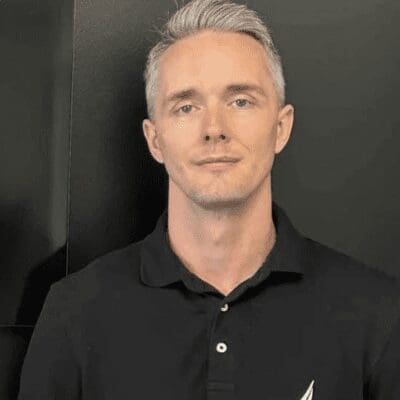
Joshua Sprung serves as a Clinical Reviewer at Tennessee Detox Center, bringing a wealth of expertise to ensure exceptional patient care. Read More
The Joint Commission – The Gold Seal of Approval® signifies that Tennessee Detox Center meets or exceeds rigorous performance standards in patient care, safety, and quality. It reflects a commitment to continuous improvement and clinical excellence.

LegitScript Certified – Confirms that Tennessee Detox Center operates in full compliance with laws and regulations, and meets high standards for transparency and accountability in addiction treatment marketing.

BBB Accredited – Demonstrates ethical business practices, commitment to customer satisfaction, and a trusted reputation within the community.

Psychology Today Verified – Indicates that Tennessee Detox Center is listed on Psychology Today, a trusted directory for verified mental health providers and treatment centers.
HIPAA Compliant – Ensures all patient health information (PHI) is protected and managed in accordance with strict federal privacy and data security standards.

ASAM Member – Tennessee Detox Center is a proud member of the American Society of Addiction Medicine (ASAM), reflecting a commitment to science-driven and evidence-based treatment standards.

Rutherford County Chamber of Commerce – Membership signifies active participation in the local community and support for regional growth and civic collaboration.
Get Family Support Now
We understand addiction affects the whole family. Our comprehensive family program helps rebuild trust and restore relationships.
Weekly Family Therapy Sessions
Educational Workshops
Support Groups
Communication Skills Training

Hear directly from those who have walked the path to recovery. Our patients’ stories highlight the compassionate care, effective programs, and life-changing support they’ve experienced. Let their journeys inspire you as you take your first steps toward healing.


